
Skips will take most things from a house and garden clearance, or a building project. But certain materials can’t go in, for legal, safety, or environmental reasons, and it’s worth knowing before you start loading. Here’s the full list, and what to actually do with each one.
1. Asbestos
The most serious one on the list. Asbestos is a controlled waste and has to be handled by a licensed specialist. Even a small amount of old insulation board or roofing felt cannot go in a skip. Contact a licensed asbestos removal company.
2. Car batteries and large lithium batteries
Small household batteries can often be disposed of at local recycling points, but car batteries and large battery packs are hazardous and need separate handling. Most car parts suppliers and garages will take old car batteries. For large lithium packs, contact your local waste facility.
3. Liquid paint
Liquid paint is classed as hazardous waste and needs to go to a registered hazardous waste facility. Many household waste recycling centres will accept small quantities from residents.
4. Gas canisters and cylinders
Pressurised containers are a serious hazard in a skip. Empty or not, they can’t go in. Return gas cylinders to the supplier, or contact your local council for disposal options.
5. Tyres
Tyres are subject to specific disposal regulations because of how they behave in landfill and during combustion. Many tyre fitters will take old tyres for a small fee, and some local waste sites accept a limited number from residents.
6. Fridges, freezers, and air conditioning units
These contain refrigerant gases that have to be removed by a specialist before the unit is scrapped. Most local waste sites have a dedicated area for fridges and freezers, and many councils offer a collection service.
7. Medical and clinical waste
Sharps, medications, and anything classed as clinical waste have their own disposal routes. Your GP surgery, pharmacy, or local council can advise on the right process.
8. TV screens and monitors
These contain hazardous materials, including lead in older CRT models. Household waste recycling centres usually have a dedicated point for screens and monitors, and some manufacturers and retailers offer take-back schemes.
9. Contaminated soil
Clean soil and hardcore is fine. Soil contaminated with oil, chemicals, or similar materials is not. If you’re excavating, and you’re not sure about contamination, get it tested before it goes anywhere.
10. Liquid waste of any kind
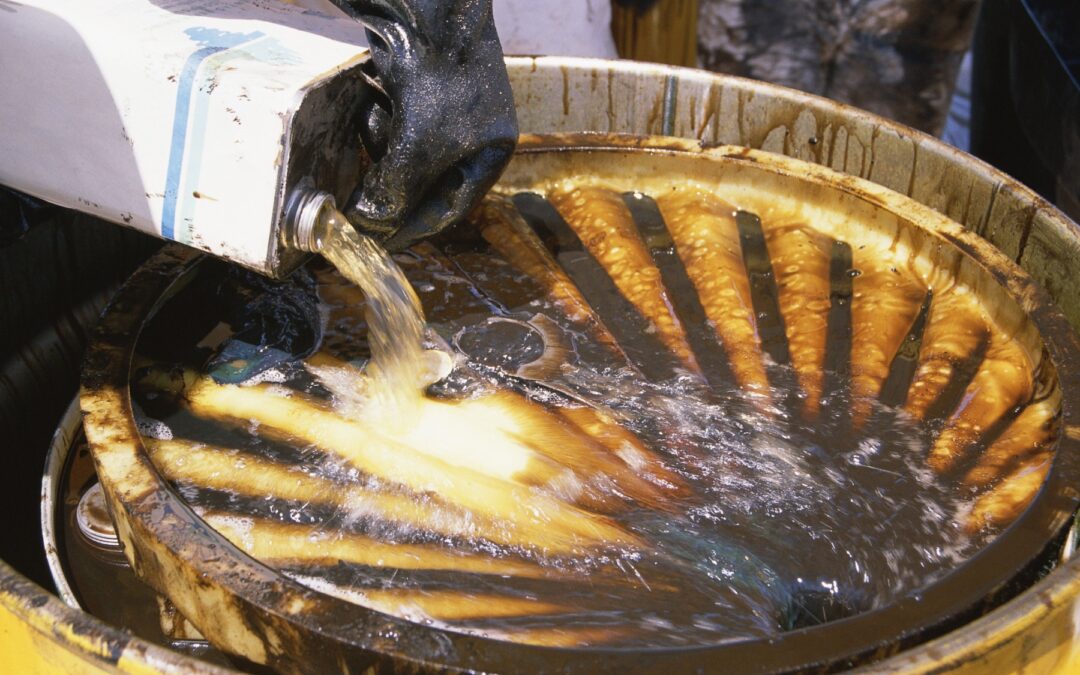
No liquids in skips. This includes oils, solvents, and any containers that still have liquid in them. Oils can often be recycled through used oil collection services.
Why does this matter?
Aside from the environmental and safety reasons, prohibited items in a skip can result in additional disposal charges, or refusal to collect until the material is removed. It’s not worth the hassle.
If you’re not sure about something, ask before you load it. We’d always rather you call us than have a problem on collection day.